



How to recognise genuine leather
Recommendations and tips on how to know the real skin. Photos of animal skin under a microscope.
Summary: Only a small part of genuine dyed leathers (properly "leather") or quality non-genuine leathers can be recognized by feel. Touch and smell will help you the most.
Internet advice or a microscope is usually not helpful in distinguishing true skin. Mixed plastic and animal scent can indicate a combination of genuine and synthetic leather, but also genuine dyed leather. Real leather (even dyed leather) smells like burnt hair when burnt by fire.
Advertisement by the author of the article: We have the best quality dildos in the EU, available and quality BDSM a exclusive sex toysthat you won't find anywhere else.
Leather treatments in the final stage of production
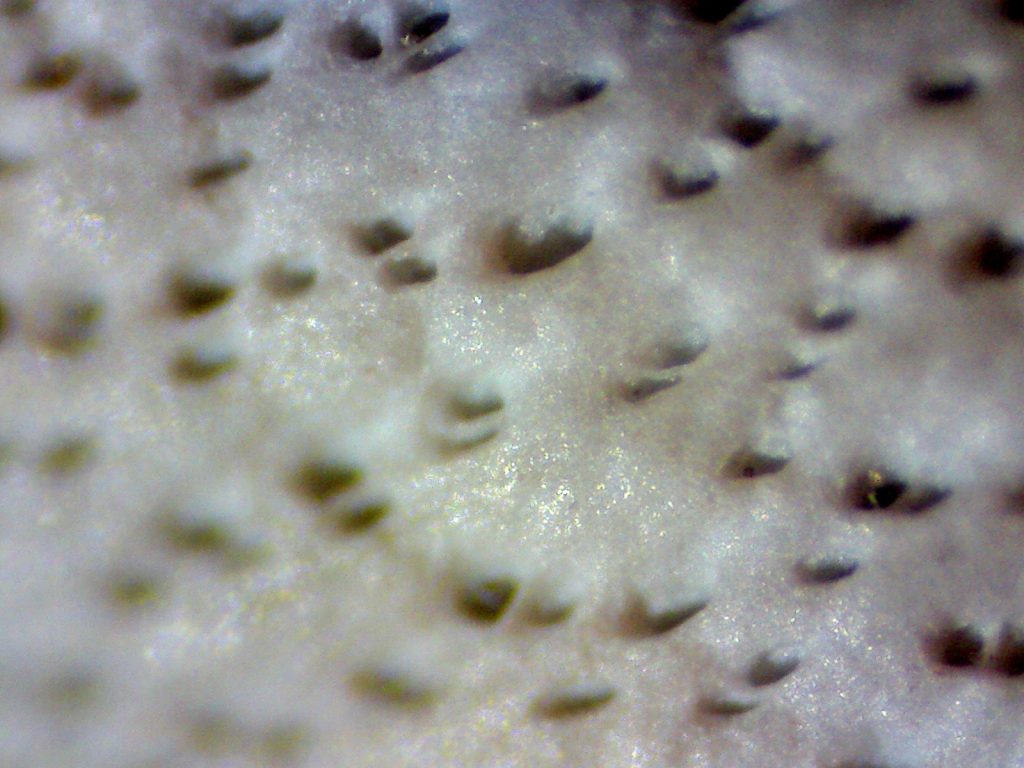
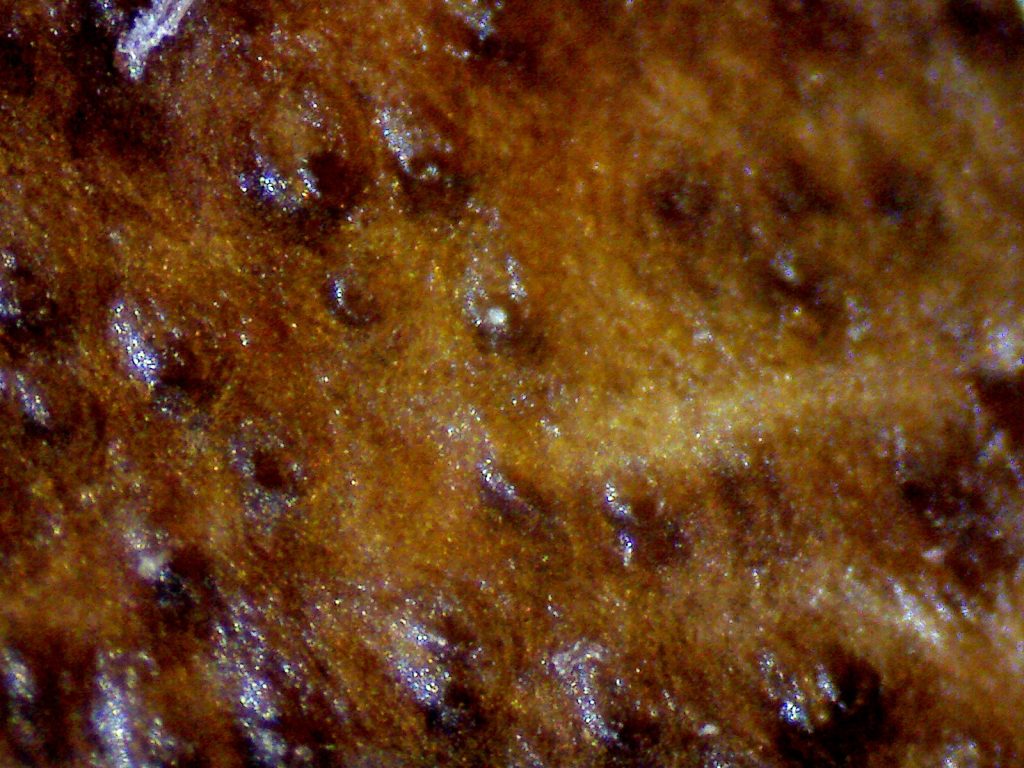
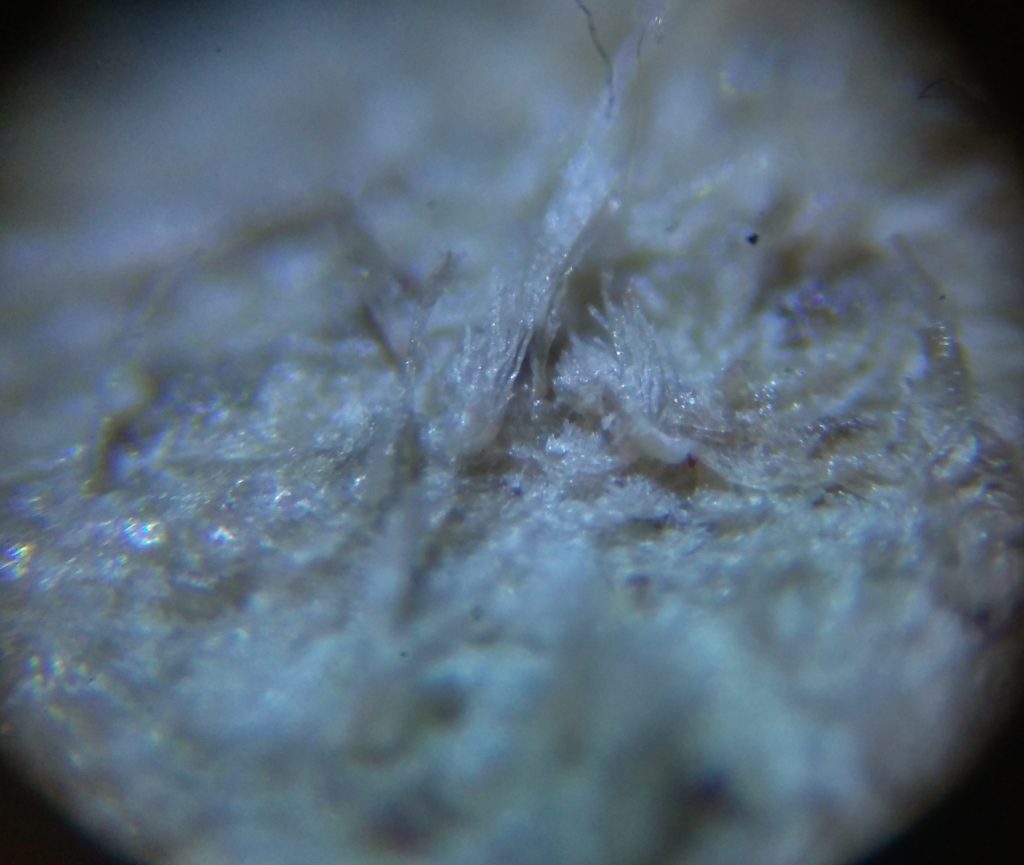
The bagger buys undyed, unstained, freshly scented processed leather (leather) in a larger whole. This can be recognised quite easily by the senses even under a microscope. Real leather under a microscope. The first picture from the left is the undyed calfskin top side. The next 3 are the dyed top sides of the leather. The last 2 pictures are the reverse – suede side.


However, the end customer usually receives heavily dyed leather or a lower inferior layer of leather with an artificially embossed realistic surface or even waste shredded leather pressed into imitation leather.
Crushed genuine leather combined with artificial top
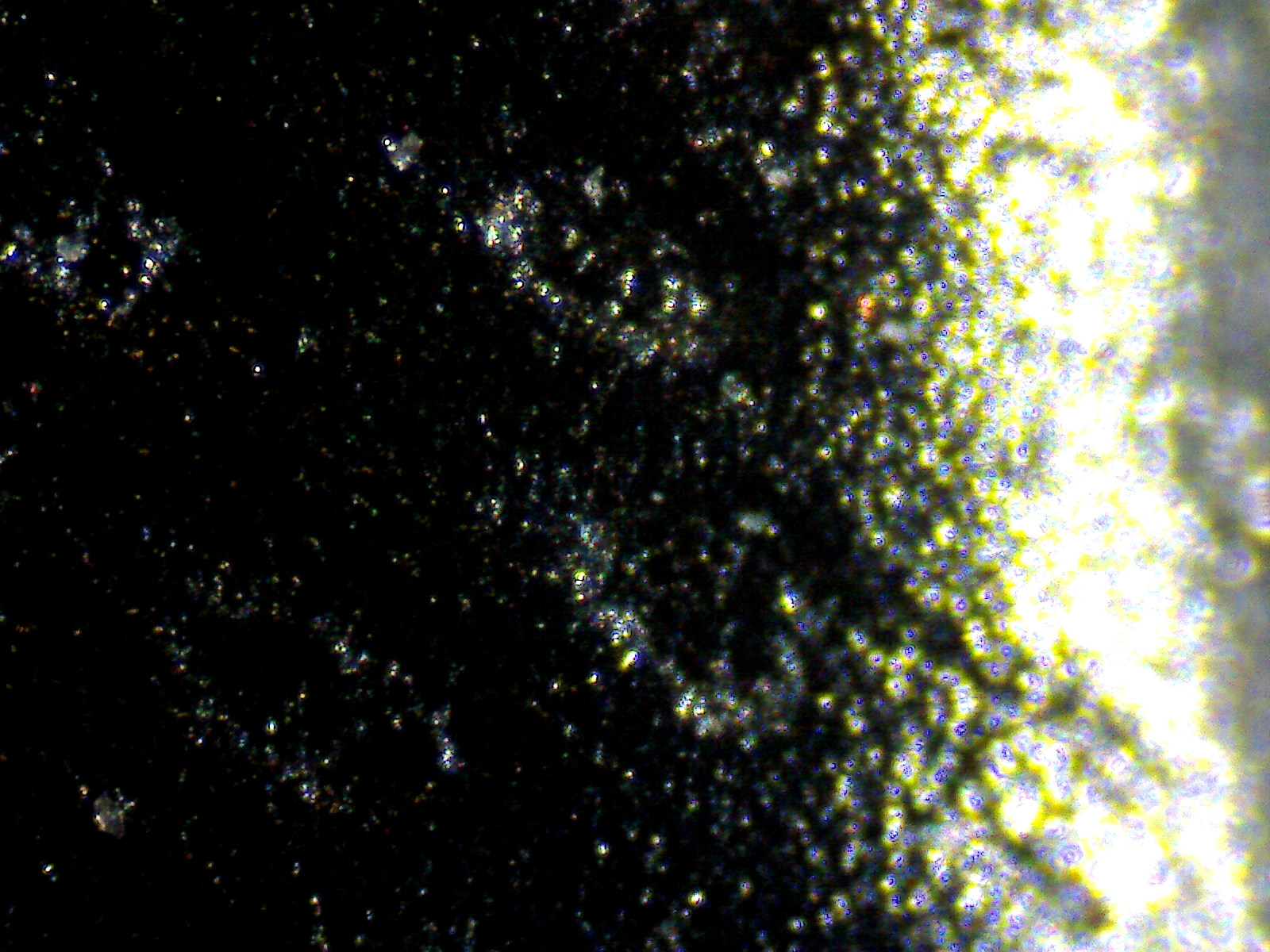
A lot of skins marked as genuine are just waste shreds of faux leather on a plastic backing. These leathers are very poor quality and unpleasant to the touch. Slegally 'fibre leather' or 'reconstituted' leather (elsewhere also 'PU leather', 'split leather', 'faust leather', 'bonded leather'). Sometimes they are incorrectly called genuine leather, sometimes synthetic leather or PVC. For us, basic artificial leather.
Combined basic artificial skin under the microscope

Strong color will hide and degrade genuine leather
We prefer less dyed leather even at the cost of less water protection. Many manufacturers degrade the leather with a thick layer of paint so that it looks artificial. In the case of heavily dyed leather, the paint covers the texture on the cheek to such an extent that it is impossible to determine with certainty whether the leather is genuine or artificial.
A similar final image of irregular hair-like fibres can also be created by thin genuine lamb or calf leather, which is about 0.5 mm long. Because of its regular structure, it looks and feels unmistakably artificial when coloured. On the reverse side, you can see a very fine, regular suede with the eye. it looks like microfleece or other artificial material .... After smelling some of these genuine leathers - especially where you can't get to the reverse you feel nothing. But with some you can definitely identify genuine leather by the distinct smell.
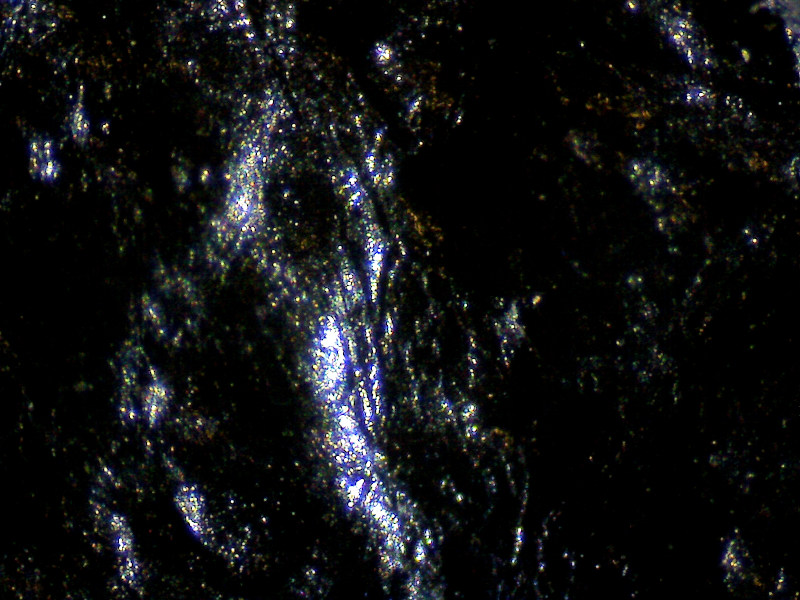


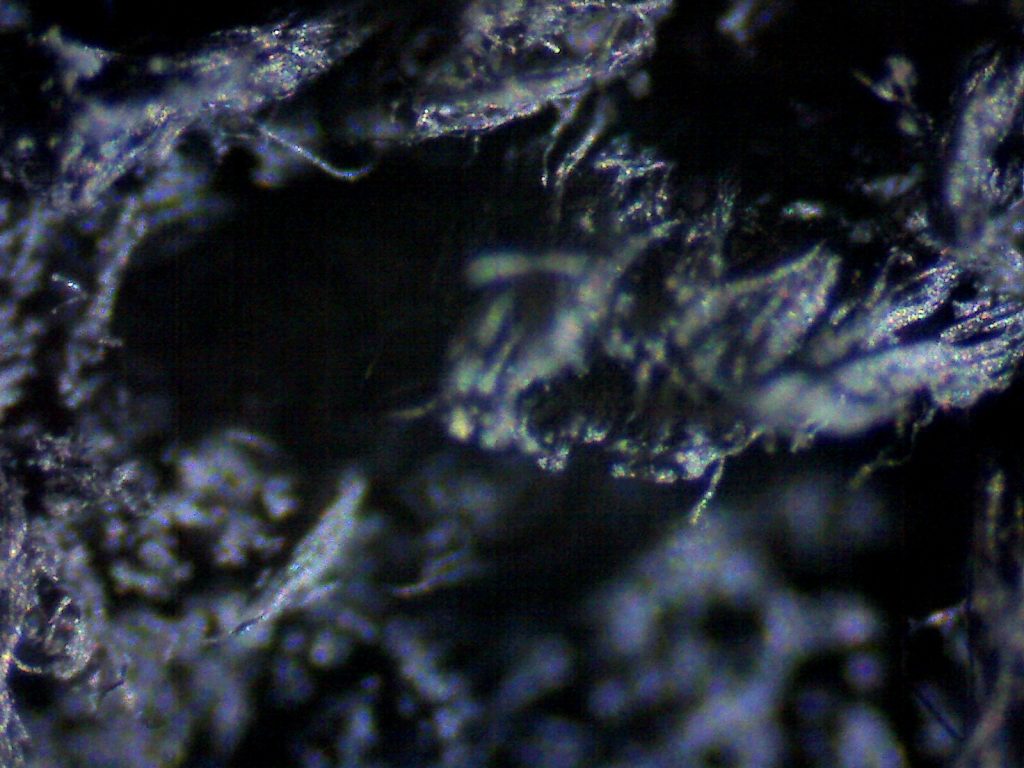

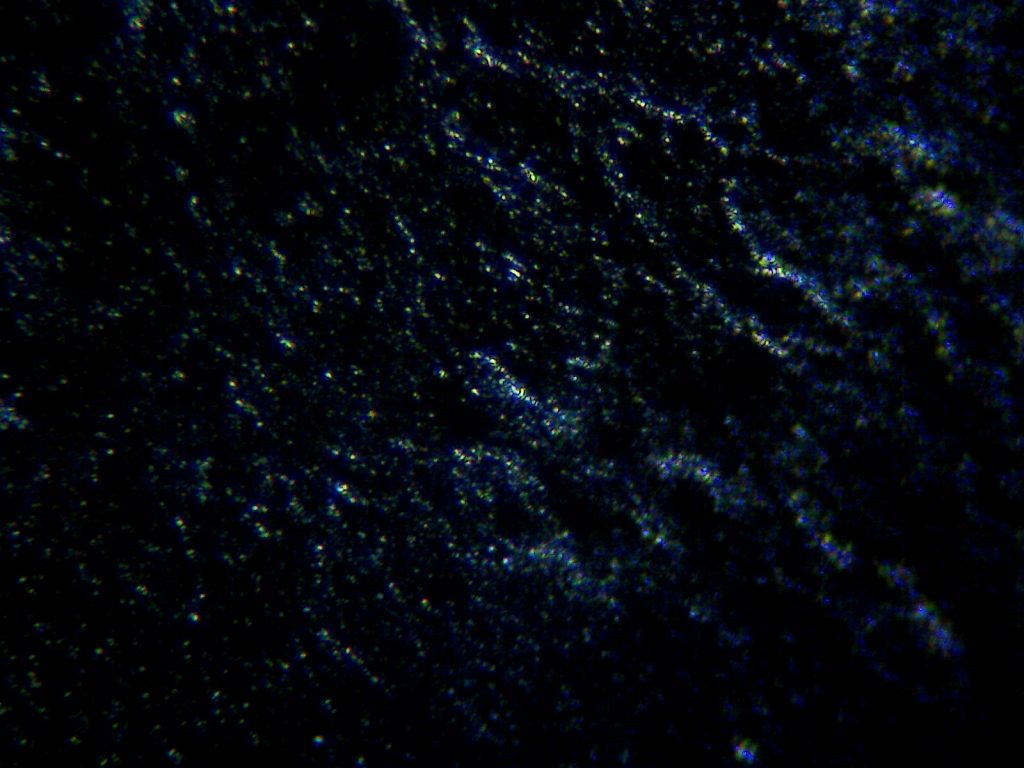
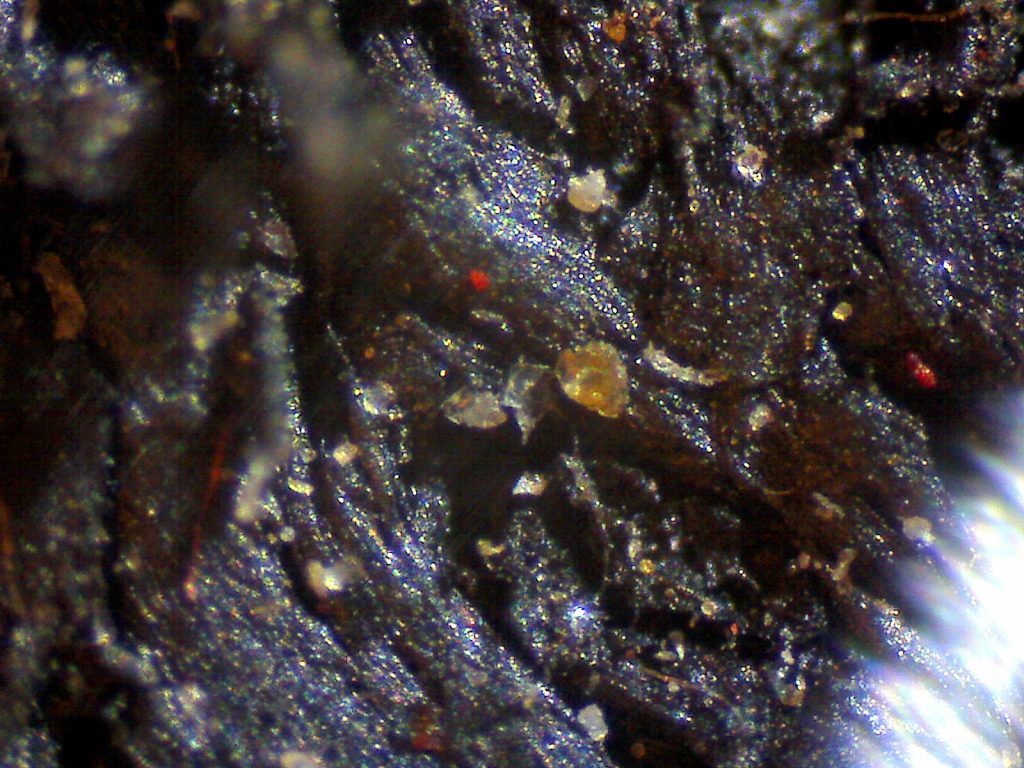




Relatively reliable criteria for the recognition of synthetic leather and genuine leather regardless of treatment
Flame - some synthetic leathers bubble in the flame of e.g. a lighter (3 - 5s) and the plastic smells when burning. A strong right flame of a few seconds does not damage the cheek or the reverse, but it will stain the light leather unforgettably. A 7 second flame damages even thick leather. Thin 0.5mm calfskin curls instantly and ignites after about 2 seconds.
Unlike plastic, genuine leather never boils or bubbles. Burnt genuine leather smells like burnt hair. Sometimes you can smell it while it's burning, sometimes you can only smell it when you wipe the burnt area with a wet finger. The skin should only be flame tested on the upper side (ideally with the reverse side covered for a small piece). In the case of artificial leather, the reverse side may be made of real leather ...:).
Disadvantages: damage to synthetic and genuine leather, ignorance of chemical treatment and colour of genuine and synthetic leather
Criteria for the recognition of genuine skin with limited functionality
Scents
Genuine leather characteristically smells only undyed, possibly stained on the cheek and reverse (if the reverse is not impregnated with chemicals). For products composed partly of genuine and synthetic leather, or for products made of semi-soft the skin you feel predominantly plastic or paint or other chemical and slightly and skin at a time. You can often feel the same or nothing with heavily dyed genuine leather.
The absence of scent means artificial leather or heavily coloured or chemically treated, in our opinion degraded, genuine leather.
Tactile, withCancer and intuition
Often they will also label genuine dyed leather as fake. You will identify good quality genuine or synthetic leather and also poor quality genuine or synthetic leather. However, you often cannot tell genuine dyed leather from quality faux leather. You can usually tell the smooth face and suede reverse of faux leather by feel.
Adhesive, solvent and chemical analysis
The connection of quality leather strips (real and artificial) is usually done by stitching. Glue is a sign of cheap artificial leather. It sticks together so that the back is not visible, which is sometimes artificial at first glance.
The plastic should dissolve in the solvent and the leather should not. We haven't checked. We haven't tried any of the chemical analysis procedures. That doesn't make sense to a layman.
Microscope
A good magnification for observing is 10-70x. This can handle the cheapest microscopes. Overhead artificial lighting will help. Cheap microscopes tend to have only lower illumination or no illumination at all. Higher resolution is no longer helpful to the amateur or the more complete picture disappears.
Artificial leather is said to have a regular pattern and texture without wrinkles or embossing. There are artificial skins with a rather irregular structure with irregular pores even in one direction (as is usual with genuine leather). Some synthetic leathers have regular long microfibres on the reverse. Unlike real microfibres, they look like small regular lines. These can be easily identified as synthetic under a microscope.
Often the leather is not only dyed, but a pattern can be stamped into it by pressure. Or a lower, inferior layer of leather is used, or even pieces of waste leather pressed into the belt. So often you don't see the top of the leather, but basically a side cut - then it looks like a tangle of tissue and fibres. So an amateur with a microscope doesn't have much chance of orienting himself.
Skin structure
You will not see the relatively very thin top part of the leather - the hide - in leather (i.e. tanned leather in the shop), as it is removed during tanning.
Upper papillary part
Under the skin is the most valuable part of the skin – the dermis. The upper papillary part of the dermis is thinner than the lower part in most animals. It contains hair papillae and collagen fibers. The collagen fibers are so dense that even under a microscope of 20-100x they form a continuous mass. Pores (hair papillae) often have an oblique direction to one side (hair direction).
Genuine processed hides (i.e. leather) e.g. cow, sheep, pig, goat are quite different from each other even from the point of view of an amateur observer. There is also a big difference between the skin of a baby animal and that of an adult. E.g. very high quality white calfskin (undyed) may have the appearance of snow (very regular, uniform, without scars and wrinkles) with pits from hair papillae inclined in one direction of the hair.
Beef toThe skin on the cheek looks like a kind of pouches over each other or apple pie (peeling cells). The cowhide looks similar on the reverse when tanned, there are irregular chipped pouches tapering into bundles of fibers (visually more like scraps or chips) and finally very irregular and very short fibers. This best quality layer (the upper part of the joint) is used to produce the so-called "grain leather".
Lower reticular part
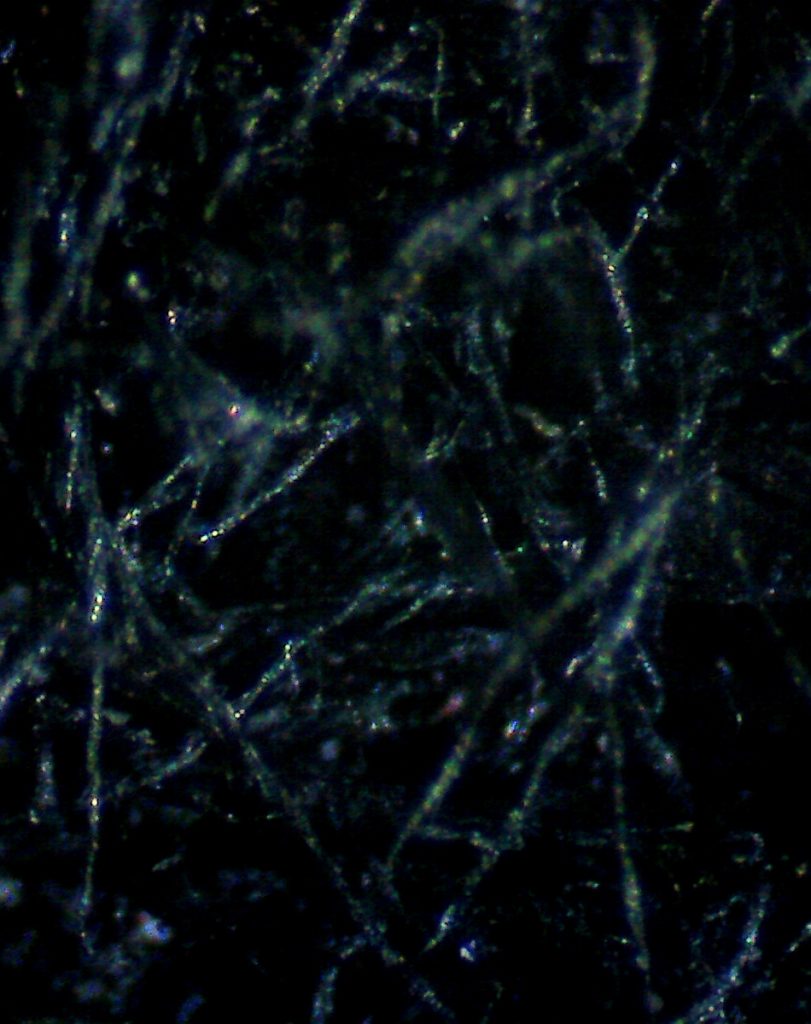
In the lower reticular part there are relatively loose and interwoven fibres made of the protein collagen. These are penetrated by fat cells from the subcutaneous connective tissue. In English, the term 'genuine' leather is used for products made from this part. Under a microscope, at a magnification of 50-100x, it looks like irregular lines interlaced with each other but with relatively large gaps compared to the thickness of the fibre, sometimes covered with fat droplets of different sizes.
Suede leather is made from this layer (the lower part of the joint). Towards the surface, the collagen fibres ('lines') rise vertically and thicken so that they are visible as fragments or chips. The various treatments of genuine and synthetic leather and their combinations are beyond our knowledge. For example, with very thin leather, when you scrape off a thin layer of the surface, you immediately encounter the loose collagen fibres of the lower seam. This lower "suede part" is sometimes cut longitudinally from the upper higher quality part. Its surface is hardened, smoothed and coloured by pressure and chemistry so that it resembles the better quality upper joint.


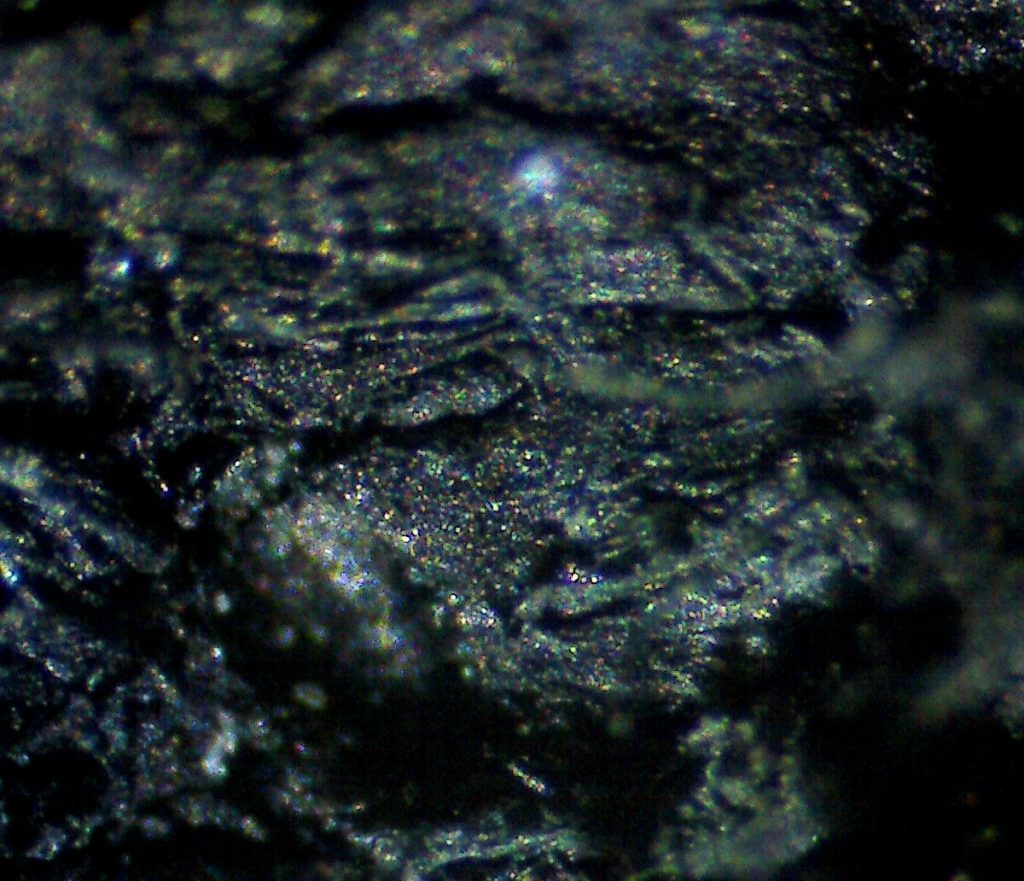


The lowest layer of raw skin is the subcutaneous connective tissue, whose function is to protect and insulate the underlying muscle. The layer consists mainly of fat cells.
Completely non-functional criteria to distinguish between dyed genuine leather and synthetic leather
The face (upper side) of the right and wrong skin is sometimes on both sides
Faux leather can often have a grain on both sides, and genuine leather is either smooth on the front and more or less suede on the reverse or suede on both sides. Even genuine leather is sometimes exceptionally for aesthetic reasons, wrap them inside or over each other so that neither the reverse nor the side of the reverse is visible.
Soak water after a few minutes.
Applies to untreated leather only. Impregnated or heavily dyed leather does not absorb.
Strength and wrinkledof genuine leather.
The skin is often cut into multiple layers. Good quality leather does not have to be thick. A good quality thinned calf or lamb skin can be as thin as 0.5 mm. The thinnest artificial skins with a covered back are about 0.3 mm. On the other hand, our thickest slicks are 1cm thick (two 0.5mm leather sewn together).
Some genuine and synthetic leathers will wrinkle when bent and others will not. Same with creaking.
Price and tag, manufacturer's description or leather mark on the product
With a belt for a few tens of crowns or a jacket for a few hundred we don't consider real leather. We have seen expensive faux leather or genuine leather degraded by heavy dyeing and varnishing. The criterion of price is also not very helpful in recognising quality leather. The tag is pcrucially meaningless. For example, a strap or some small part can be made of real leather and everything else can be made of artificial leather.
We recommend undyed or stained genuine leather or synthetic leather
V BDSM We can safely enjoy the natural luxury of undyed or tanned leather (lightly dyed). We usually don't wear them in the rain, etc., as a handbag. The strong colour covers the texture and smell of the leather. With a strong colour there is not much difference between genuine and quality synthetic leather.
We also see room for cheap synthetic leather. But combining a real leather belt with a faux leather belt doesn't make sense.